
Lost Bowls
Challenge
In the heart of Chicago’s West Loop, Toasted Hospitality operated a cluster of popular restaurants at 540 West Madison. Among them was Wok n’ Bao, a casual eatery serving fresh, authentic Shanghai street food. Known for its build-your-own dishes and three custom woks, the restaurant quickly became a local favorite, with steady crowds and long lunchtime lines.
Despite its popularity, Wok n’ Bao’s kitchen setup and customizable wok-based menu created operational slowdowns during peak hours. With only three custom woks handling made-to-order dishes, the lunch rush led to congestion and limited the number of guests they could serve each day. Toasted Hospitality needed a new approach to streamline operations while staying true to its culinary roots.
client
Lost Bowls
INDUSTRY
Hospitality & Dining
SERVICES
Branding
Creative direction & design
Commercial printing
Solution
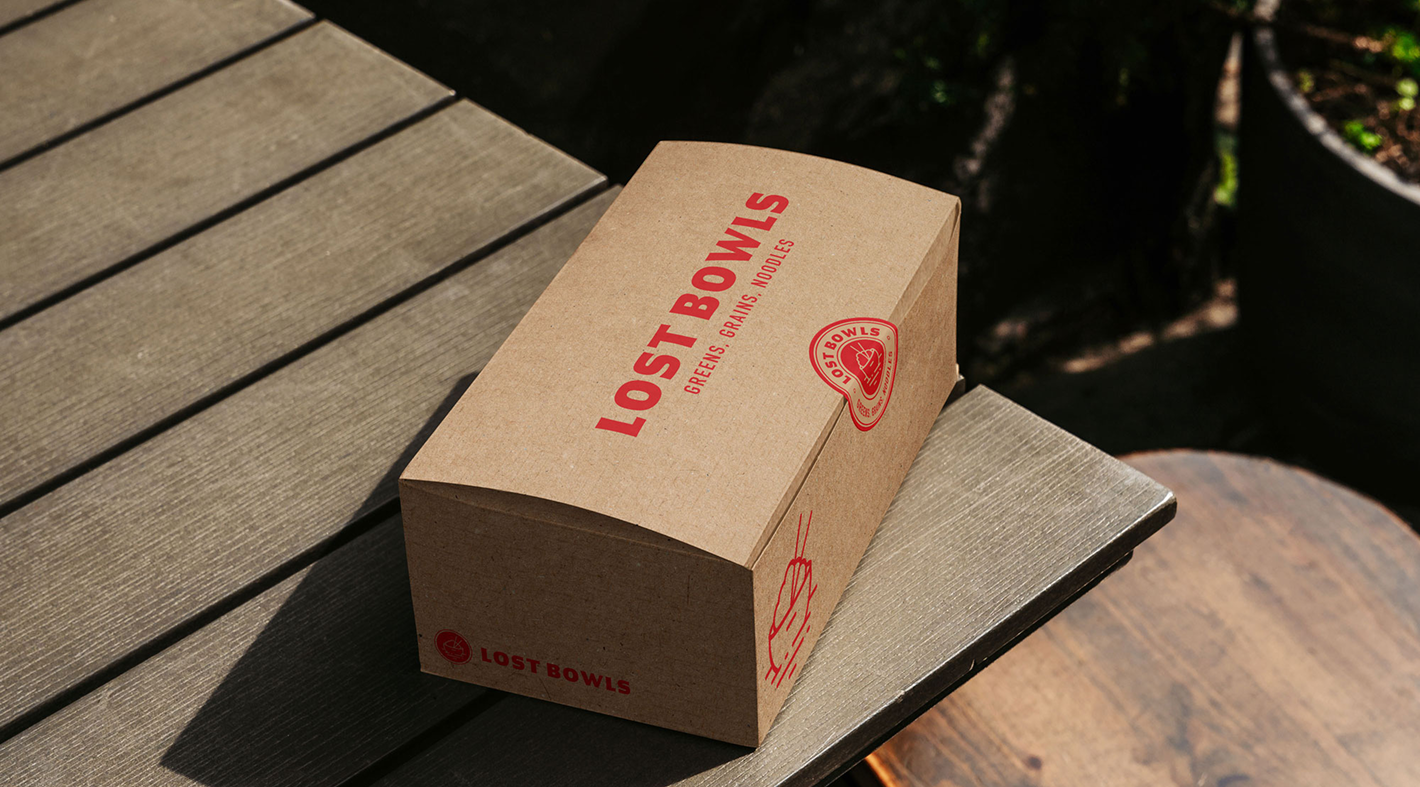
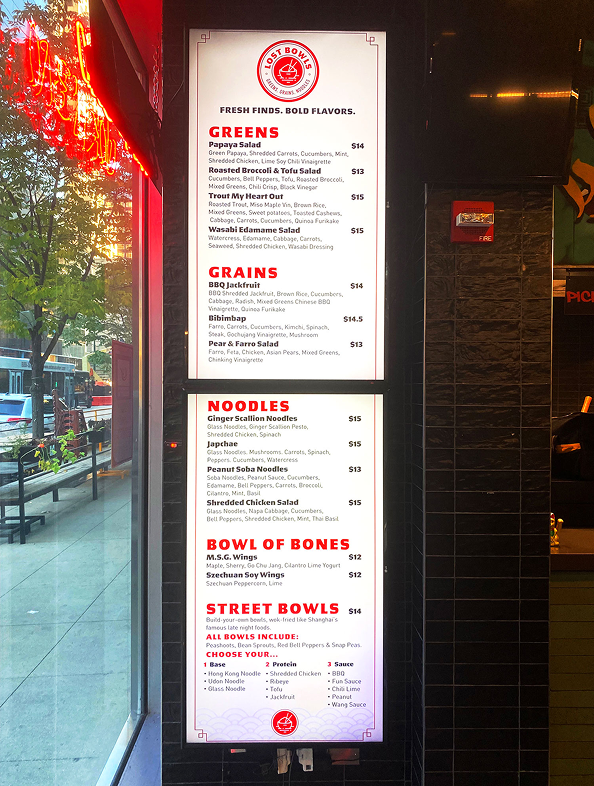
Toasted Hospitality partnered with 1905 New Media to reimagine the brand and dining experience. The result was Lost Bowls — a modern, health-conscious bistro that honored the essence of Shanghai street food while optimizing for efficiency and scale. The menu shifted focus to customizable bowls, allowing for faster preparation without sacrificing flavor or quality. This operational change needed a visual identity to match, so 1905 New Media developed a refreshed brand that bridged the restaurant’s cultural heritage with a bold, contemporary look and feel. New signage, menus and collateral brought that vision to life across every customer touchpoint, creating a cohesive experience that improved speed of service while maintaining the authenticity that made formerly named Wok n’ Bao a West Loop favorite.


A Recipe For Growth
Lost Bowls opened with a clear brand identity and streamlined operations that addressed the challenges Wok n’ Bao faced. The bowl-based menu reduced kitchen bottlenecks during lunch rush, allowing the team to serve more guests while preserving the flavors that built the original following. Lost Bowls found its place in the West Loop’s competitive restaurant scene, proving that honoring culinary heritage and improving efficiency can strengthen each other rather than compete.